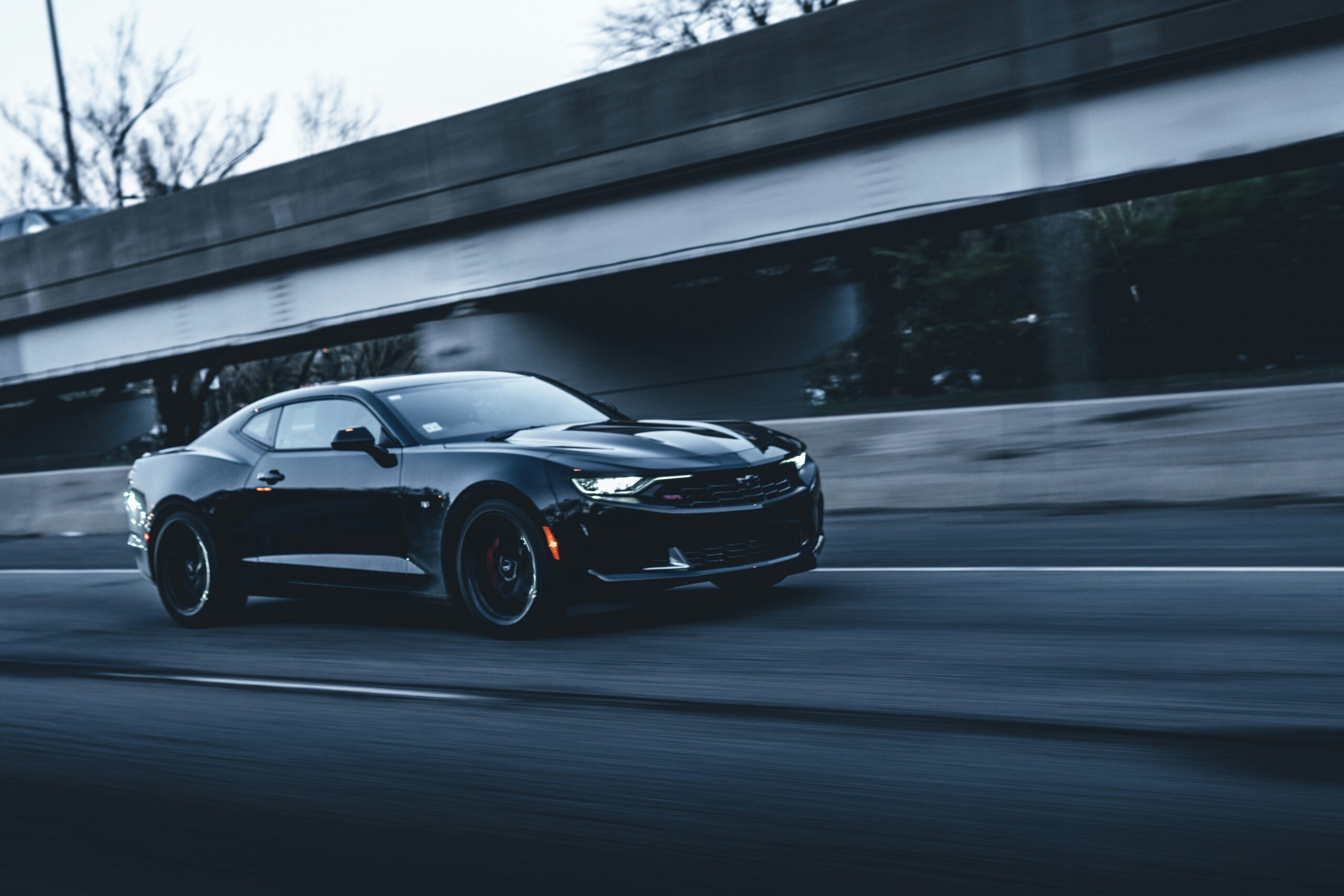
Most people picture automotive marketing as a showroom reveal, glossy advertising campaigns, and celebrity test drives. These are only the most visible elements. What ultimately gives someone the confidence to spend a significant portion of their income on a vehicle, and continue servicing it with the same brand for years, is trust.
In Thailand, that trust is under growing pressure. The shift toward electric vehicles has introduced questions about battery safety, reliability, and long-term ownership costs, adding to the concerns automotive brands have always had to address.
Why Trust Matters More in the Automotive Industry
A car is one of the largest purchases most people will make, and one of the few with direct safety implications. Buyers are not simply choosing a product. They are entering a relationship that may last for years and involve servicing, spare-parts availability, and resale value.
Electrification has added another layer of uncertainty. Consumers considering EVs in Southeast Asia are weighing unfamiliar concerns such as battery degradation, charging access, and resale value alongside the reliability questions associated with any new vehicle.
Brands that communicate clearly through this transition earn trust. A brand that stays quiet leaves a gap that rumour and comparison shopping will fill instead.
What an Automotive PR Agency Actually Does
- Media relations with automotive and business press: Automotive journalists and business editors each require different information approaches. An agency maintains relationships across both areas, helping launches and announcements reach the right audiences with the appropriate detail and context.
- Managing product launches and reveals: A vehicle launch may involve embargoed briefings, test drive logistics, specification sheets, and media Q&A. These elements must be coordinated well in advance to ensure the story is communicated clearly and consistently.
- Crisis and recall communications: Recalls and safety issues are among the most direct tests of an automotive brand’s reputation. Fast, transparent, factual communication protects the brand far more than silence or delay ever does.
- Dealer and distributor network communications: Dealers are often a customer’s only direct human contact with the brand. Keeping that network informed and aligned with head office messaging keeps the customer experience consistent.
- Sustainability and EV transition messaging: As brands introduce hybrid and electric models, an automotive PR agency helps translate technical details such as battery warranties and charging infrastructure into messaging that actually addresses what buyers are worried about.
How Automotive PR Differs From General Public Relations
| Element | General PR Agency | Automotive PR Agency |
| Media ecosystem | Broad mix of business, consumer, trade, and local media | Deeply segmented, such as auto enthusiast press, OEM/supplier trade, mobility/tech, policy/regulatory, and regional dealer media |
| Launch mechanics | Press releases, briefings, media tours | Press launches with test drives, auto show activations, embargo management, route planning, and influencer coordination |
| Story drivers | Brand narrative, leadership, culture, CSR, product news | Vehicle/tech reveals, safety/recalls, regulatory shifts (EV, emissions), supply chain, labour, and geopolitics |
| Measurement | Coverage, sentiment, share of voice | Adds message pull-through, test-drive-to-coverage linkage, search/AI visibility, dealer inquiries, and sales influence |
Building Trust During Thailand’s EV Transition
Thailand’s EV market is growing, but buyer hesitation has not disappeared. Research into Southeast Asian automotive consumers points to real concerns around battery safety, charging reliability, and long-term costs, alongside a broader shift in brand loyalty as more manufacturers enter the electric segment. Buyers who are uncertain do not simply wait quietly. They compare, research, and ask questions across forums, dealerships, and review sites.
An automotive PR agency addresses this directly rather than hoping the doubt fades on its own. That means proactive communication about battery warranties, transparent answers about charging infrastructure, and messaging that acknowledges buyer concerns instead of only promoting features.
Brands that communicate this way during a transition period tend to keep the loyal customers they already have, rather than losing them to a competitor who explained things more clearly.
Why Global Automotive Brands Choose PR Partners in Thailand
International automotive brands operating in Thailand need more than translated press releases. They need a partner who understands Thai media relationships, regulatory nuance around vehicle marketing claims, and how local dealer networks actually communicate with customers. Language and cultural fluency also matter when a launch needs to resonate with Thai buyers specifically, not just a regional campaign adapted after the fact.
How Vivaldi PR Supports Automotive Brands in Thailand
Vivaldi PR has worked with recognised automotive names, including Harley-Davidson, Jaguar Land Rover, Volvo, and Hyundai, giving the agency direct experience with how automotive brands need to communicate in the Thai market.
This combination of local market knowledge and automotive experience enables Vivaldi PR to help brands communicate clearly, respond effectively to changing market conditions and build trust beyond individual campaigns.
Frequently Asked Questions
Q: What does an automotive PR agency do differently from a general agency?
An automotive PR agency understands vehicle launch calendars, specialist automotive media, and the safety and reliability concerns specific to vehicle purchases, in addition to providing standard PR services.
Q: How does media coverage help automotive brands build credibility?
Coverage in trusted automotive publications and mainstream media can provide third-party validation. Rather than relying only on advertising, brands can use earned media to communicate expertise, innovation, and value through independent editorial coverage.
Q: How does PR help during a vehicle recall?
PR supports fast, transparent, factual communication with media, dealers, and customers. This helps reduce confusion, counter misinformation and protect trust while the recall is being managed.
Q: Why does trust matter more for automotive brands right now?
Thailand’s shift towards EVs has introduced new questions about battery safety, reliability, charging and long-term ownership costs. These concerns add to the confidence any automotive brand must earn when selling a high-value product intended to last for years.
Q: How is automotive PR adapting to Thailand’s EV shift?
Agencies are placing greater emphasis on clear, proactive communication about batteries, charging infrastructure and total ownership costs instead of focusing only on vehicle features.